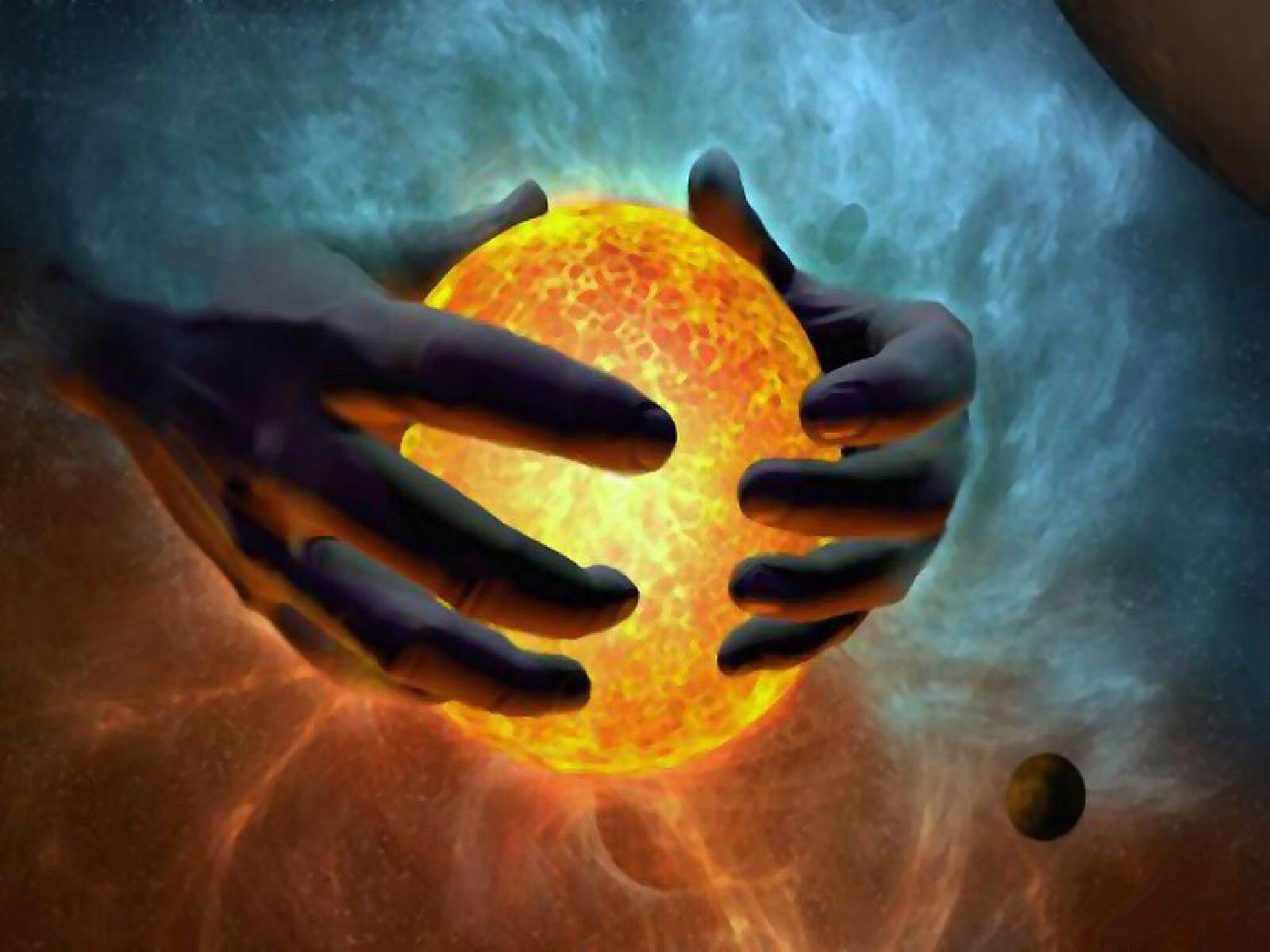
Creation, by Gore Vidal

In the beginning…

A historical novel by Gore Vidal, Creation is an Odysseus styled dialectic on religious dogma. The main character, Cyrus Spitama, is the grandson of Zarathustra, and his encounters with other 5th century sages are clearly the highlights of the novel. Cyrus is fixated on the question of creation, or the origin of the universe or human existence. Initially he was indoctrinated by Zarathustra, specifically the dualistic ontology of Zoroastrianism. Convinced with this religious truth, he sets out to test the alternative answers or non-answers of other wise men, such as those from the East: the Buddha, Confucius, Lao-Tze, and the West: Pythagoras, Anaxagoras, and etc. However, the book demonstrates how much of a fatal flaw the question of creation was for Western philosophy, because it always was the wrong question. Continue reading Creation, by Gore Vidal

Other Post-Postmodernisms: a glossary

Confetti Death, by Typoe


The previous blog focused on pseudo-modernism, on whether it was a sufficient successor to the dominant cultural paradigm. In my research, I realized that there were way too many “posts” to postmodernisms that I needed a program to tell them all apart.  Continue reading Other Post-Postmodernisms: a glossary

Pseudo-modernism

Post-post-post-post...
Post-post-post-post…

Is postmodernism really dead, finally, after a thousand articles and books arrogantly, yet prematurely announced its death? Or perhaps tomorrow belongs to it because postmodernism is born post-humously? Kirby made a strong case in his article, Death of Postmodernism and Beyond (2006), in which he claims that the Internet is essentially proof that the zeitgeist has lurched from the text back to the reader — now an active participant in the creation of text. Continue reading Pseudo-modernism

Leopardi and pessimism


Leopardi, wondering if he left the TV on....
Leopardi, wondering if he left the TV on….


Giacomo Leopardi is one of the greatest secrets of 19th century poetry. Despite being heralded by luminaries like Schopenhauer1 and Nietzsche, his fame remains scattered in Europe and hardly extends to the American hemisphere. Leopardi’s Zibaldone di pensieri2 was read by every school kid but they barely cracked open his Operette Morali.3 The likely culprit is an irredeemable pessimism that was too difficult for interpreters to connect it to contemporary issues. Leopardi wrote mostly moral essays, parables, fables, and dialogues – painting life as a joke of the gods – a darkly comic view of world and its inhabitants. However, instead of leaving the reader sad and pathetic, they are actually funny.  Continue reading Leopardi and pessimism